





The U.S. Housing Affordability Crisis: Causes, Impacts, and Solutions

The U.S. housing affordability crisis has become one of the most pressing economic and social challenges in the country. Rising home prices, high mortgage rates, limited housing supply, and stagnant wage growth have made it increasingly difficult for millions of Americans to buy or rent a home. From major metropolitan areas to small towns, the affordable housing shortage is reshaping communities and impacting economic stability.
This article explores the causes of the housing crisis in America, its effects on families and the economy, and potential solutions to improve housing affordability.

What Is the U.S. Housing Affordability Crisis?
The U.S. housing affordability crisis refers to the growing gap between housing costs and household incomes. When housing expenses—whether rent or mortgage payments—exceed 30% of a household’s income, the home is considered unaffordable.
In recent years:
- Home prices have surged nationwide
- Mortgage rates have climbed significantly
- Rental costs have reached record highs
- First-time homebuyers face major barriers to entry
As a result, affordable housing in the United States has become increasingly scarce.

Key Causes of the Housing Affordability Crisis
1. Housing Supply Shortage
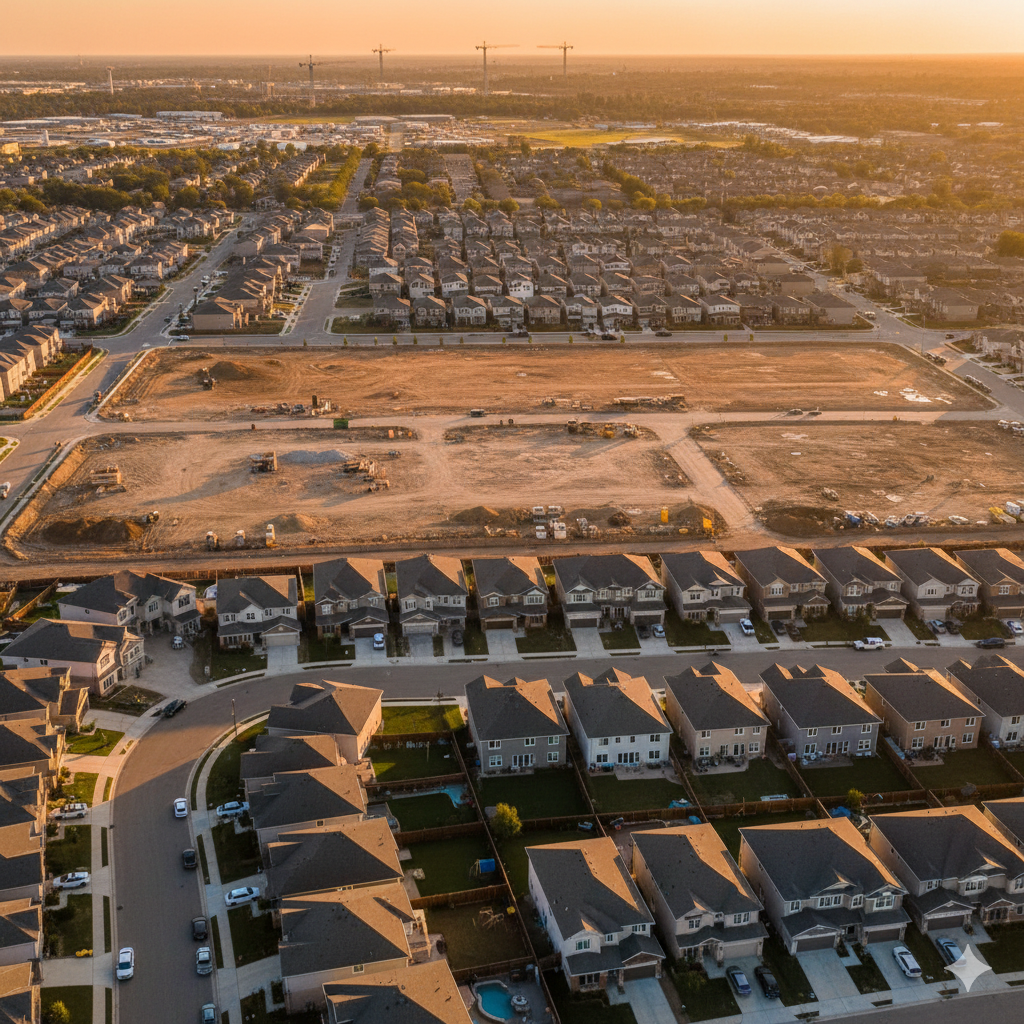
A primary driver of the housing crisis is the housing supply shortage. For over a decade, the U.S. has underbuilt homes relative to population growth. After the 2008 financial crisis, home construction slowed dramatically and never fully recovered.
Restrictive zoning laws, land-use regulations, and high construction costs have further limited new housing development, particularly in high-demand areas.
2. Rising Home Prices
According to the National Association of Realtors, median home prices have increased significantly over the past several years. Strong demand, limited inventory, and investor activity have pushed prices to record levels in many markets.
Cities like San Francisco, New York City, and Austin have seen especially steep increases, but affordability challenges now extend well beyond coastal metro areas.

3. High Mortgage Rates
Mortgage rates play a critical role in housing affordability. As interest rates rise, monthly mortgage payments increase—even if home prices remain stable. Higher borrowing costs have priced many first-time homebuyers out of the market.
When combined with elevated home prices, higher mortgage rates significantly reduce purchasing power.
4. Wage Stagnation
While housing costs have surged, wage growth has not kept pace in many sectors. The mismatch between income growth and housing price appreciation has widened the affordability gap, particularly for middle- and lower-income households.
5. Increased Investor Activity
Institutional investors and large corporations have increasingly entered the residential real estate market, purchasing single-family homes as rental properties. This trend reduces the supply of homes available for owner-occupants and can contribute to rising home prices in competitive markets.

The Impact of the Housing Crisis on Americans
The U.S. housing affordability crisis affects individuals, families, and the broader economy in several ways.
1. Declining Homeownership Rates
Homeownership has long been associated with wealth-building and financial stability. However, high home prices and strict lending requirements have made it harder for younger generations to purchase homes.
Millennials and Gen Z buyers face higher down payment requirements and more competition than previous generations.
2. Rising Rent Burden
Renters are also feeling the strain. In many cities, rental prices have outpaced income growth, leading to an increase in “rent-burdened” households. Many families are forced to spend more than 30%—and sometimes over 50%—of their income on housing.
This leaves less money available for healthcare, education, transportation, and savings.
3. Increased Homelessness
A shortage of affordable housing units has contributed to rising homelessness in several regions. Areas with severe housing shortages often experience greater housing instability and displacement.
4. Economic Ripple Effects
The housing crisis affects the broader economy:
- Workers may decline job opportunities due to high housing costs
- Employers struggle to attract talent in expensive regions
- Consumer spending decreases when housing costs consume more income
- Wealth inequality widens between homeowners and renters
Affordable housing is essential for economic growth and stability.
Potential Solutions to the Housing Affordability Crisis
Addressing the housing crisis in the United States requires coordinated efforts at federal, state, and local levels.
1. Zoning Reform
Many experts advocate for zoning reform to allow higher-density housing, including duplexes, triplexes, and apartment buildings in areas previously restricted to single-family homes.
Increasing housing supply is widely seen as a key strategy for lowering housing costs over time.
2. Incentives for Affordable Housing Development
Government programs can encourage developers to build affordable units through tax credits, subsidies, and streamlined permitting processes.
Programs like the Low-Income Housing Tax Credit (LIHTC) have helped finance affordable housing projects nationwide.
3. First-Time Homebuyer Assistance
Down payment assistance programs, reduced closing costs, and favorable loan terms can help first-time buyers enter the housing market.
4. Expanding Rental Assistance
Expanding housing vouchers and rental assistance programs can provide immediate relief to low-income renters facing housing insecurity.
5. Addressing Construction Costs
Reducing regulatory barriers, improving supply chains, and supporting modular or prefabricated housing could lower construction costs and increase housing production.

The Future of Housing Affordability in the U.S.
The future of the U.S. housing market will depend on economic conditions, interest rate trends, housing supply growth, and policy reforms. While short-term fluctuations may occur, long-term solutions require structural changes that address supply constraints and income disparities.
If policymakers, developers, and communities work together, progress is possible. However, without meaningful action, the housing affordability crisis may continue to deepen.
Final Thoughts
The U.S. housing affordability crisis is not a temporary challenge—it is a structural issue affecting millions of Americans. Rising home prices, limited housing inventory, high mortgage rates, and stagnant wages have combined to create one of the most difficult housing markets in decades.
Improving housing affordability will require bold policy changes, increased housing supply, and targeted support for renters and first-time buyers. Ensuring access to affordable housing is not just a social priority—it is essential for economic stability and long-term prosperity.