

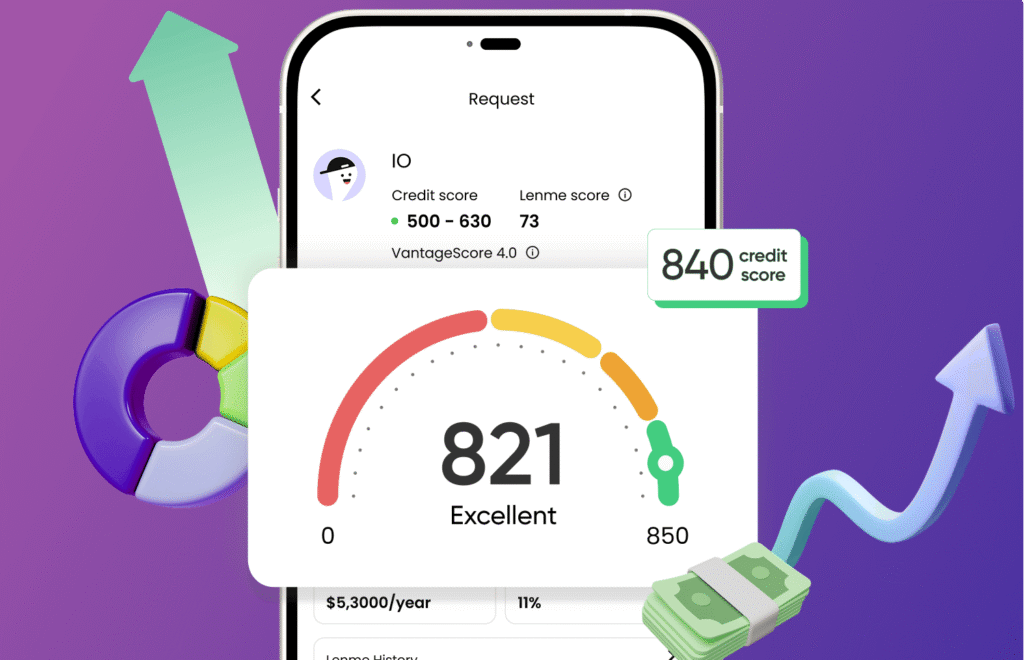



Student Loan Debt and Its Impact on Millennials and Gen Z in the United States
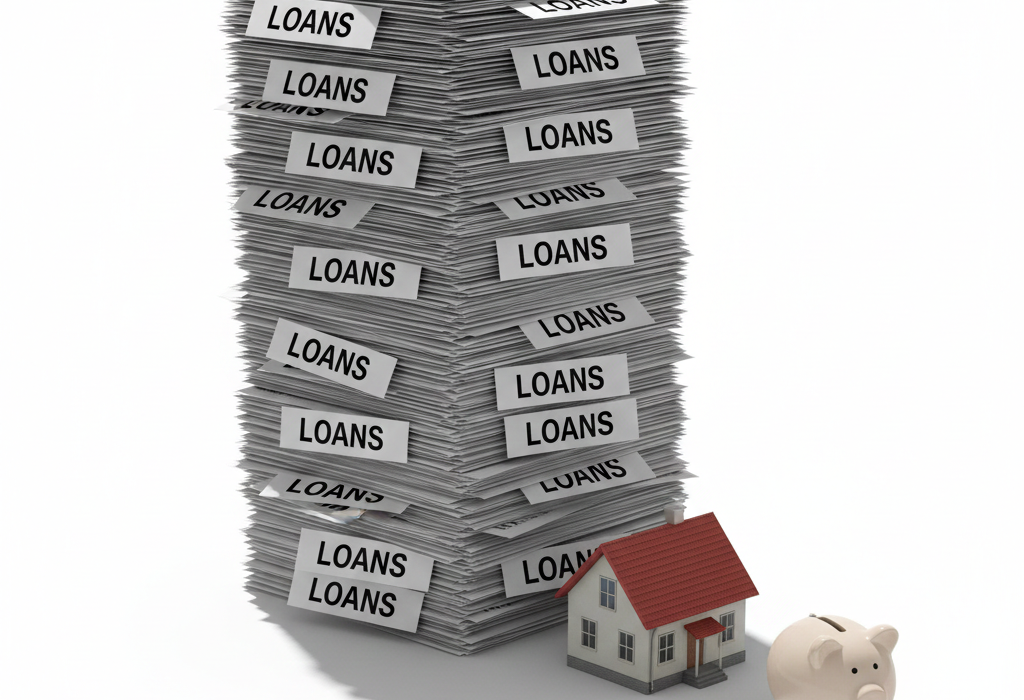
Student loan debt has become one of the most pressing financial challenges facing young Americans today. For Millennials and Generation Z, borrowing for higher education is often seen as a necessary step toward career success. However, the long-term financial and emotional consequences of that debt are reshaping how an entire generation lives, works, and plans for the future.
student loan debt crisis, Millennials and Gen Z finances, U.S. education debt statistics, college loan repayment, financial burden of student loans
The Scope of the Student Loan Debt Crisis
In the United States, student loan debt has grown into a multi-trillion-dollar issue affecting millions of borrowers. According to data from the Federal Reserve, education debt represents one of the largest categories of household debt, second only to mortgages. Millennials carry the largest share, but Gen Z is rapidly joining them as new graduates enter repayment.
Rising tuition costs, reduced state funding for public universities, and increased reliance on federal loans have contributed to this trend. Institutions that once offered affordable pathways to the middle class are now leaving many graduates financially constrained for decades.
rising college tuition costs, federal student loans, student debt statistics USA, education loan trends

How Student Loan Debt Impacts Millennials
Millennials, many of whom graduated during or shortly after the 2008 financial crisis, faced a difficult job market while beginning repayment. This timing intensified the financial burden of student loans and delayed key life milestones.
Many Millennials report postponing:
- Buying a home
- Starting a family
- Saving for retirement
- Launching a business
The weight of monthly loan payments reduces disposable income and limits wealth-building opportunities. In fact, homeownership rates among Millennials have lagged behind previous generations at the same age.
Millennial homeownership decline, student loan impact on housing market, debt and delayed milestones, Millennial financial struggles

The Unique Challenges Facing Gen Z
Generation Z is entering adulthood in an era of economic uncertainty, inflation, and rapid job market transformation. While some have become more cautious about borrowing, many still rely heavily on loans to pursue degrees.
Gen Z students are increasingly questioning whether a four-year college degree guarantees financial security. Trade schools, online certifications, and community colleges are gaining popularity as alternatives to traditional universities.
Additionally, social media discussions around debt transparency have made financial literacy more prominent among young adults, encouraging smarter borrowing decisions—but not eliminating the need for loans altogether.
Gen Z student debt trends, alternatives to college degrees, education affordability crisis, Gen Z financial literacy
Mental Health and Emotional Consequences
Beyond finances, student loan debt affects mental health. Studies link heavy debt loads to higher levels of anxiety, stress, and depression among young adults. The pressure of long-term repayment can create feelings of being “financially stuck.”
For many borrowers, repayment plans stretch 10 to 25 years, turning what was meant to be an investment in opportunity into a persistent financial obligation.
student loan stress, mental health and debt, financial anxiety among young adults, long-term loan repayment effects

Government Policies and Loan Forgiveness Debates
Federal policy continues to shape the conversation. The U.S. Department of Education oversees federal loan programs, income-driven repayment plans, and forgiveness initiatives. Recent proposals have sparked national debate over fairness, economic impact, and taxpayer responsibility.
Supporters argue that targeted forgiveness stimulates the economy and relieves struggling borrowers. Critics contend that it does not address the root causes of rising tuition and may increase future borrowing.
Policy discussions also involve the Supreme Court of the United States, which has weighed in on the limits of executive authority regarding debt cancellation.
student loan forgiveness USA, income-driven repayment plans, federal loan policy changes, education reform debate
The Broader Economic Impact
Student loan debt doesn’t just affect individuals—it influences the broader U.S. economy. Reduced consumer spending, delayed investments, and lower rates of entrepreneurship all contribute to slower economic mobility.
When young adults allocate a significant portion of income to loan repayment, they spend less on goods, housing, travel, and local businesses. This ripple effect impacts multiple sectors.
At the same time, higher education remains a strong predictor of lifetime earnings. The challenge lies in balancing access to opportunity with sustainable financing structures.
economic impact of student loan debt, consumer spending trends, education and lifetime earnings, U.S. economic mobility

Potential Solutions and the Path Forward
Addressing the student loan debt crisis requires multi-layered solutions, including:
- Expanding need-based grants
- Improving financial literacy education
- Increasing transparency in college pricing
- Reforming repayment structures
- Encouraging affordable alternative education pathways
Millennials and Gen Z are increasingly advocating for systemic change. Whether through voting, public discourse, or career choices, younger generations are reshaping the national conversation about education affordability.
solutions to student debt crisis, affordable higher education USA, college cost reform, financial planning for students
Conclusion
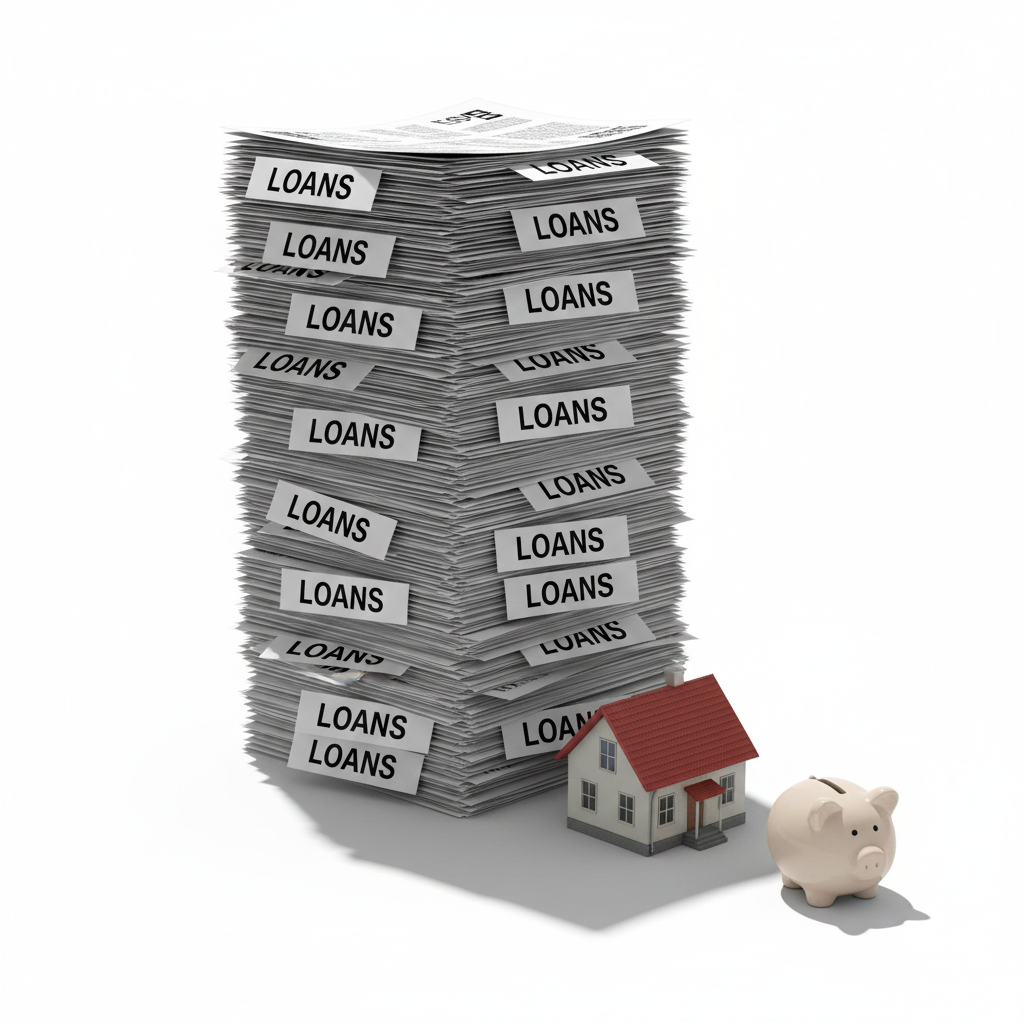
Student loan debt has become a defining financial issue for Millennials and Gen Z in the United States. While higher education remains a powerful tool for upward mobility, the cost of achieving that mobility has placed unprecedented pressure on young Americans.
Moving forward, the balance between opportunity and affordability will determine not only individual futures but also the long-term economic health of the nation.
student loan debt crisis in America, Millennials and Gen Z economic future, college affordability solutions, U.S. student debt impact