




How the US–Iran War Is Increasing Inflation in the US Market
The ongoing conflict between the United States and Iran is not just a geopolitical crisis—it is also creating significant economic consequences. One of the most immediate effects is rising inflation in the United States. This article explains how the war is pushing prices higher across the US economy.
1. Oil Prices: The Primary Driver of Inflation
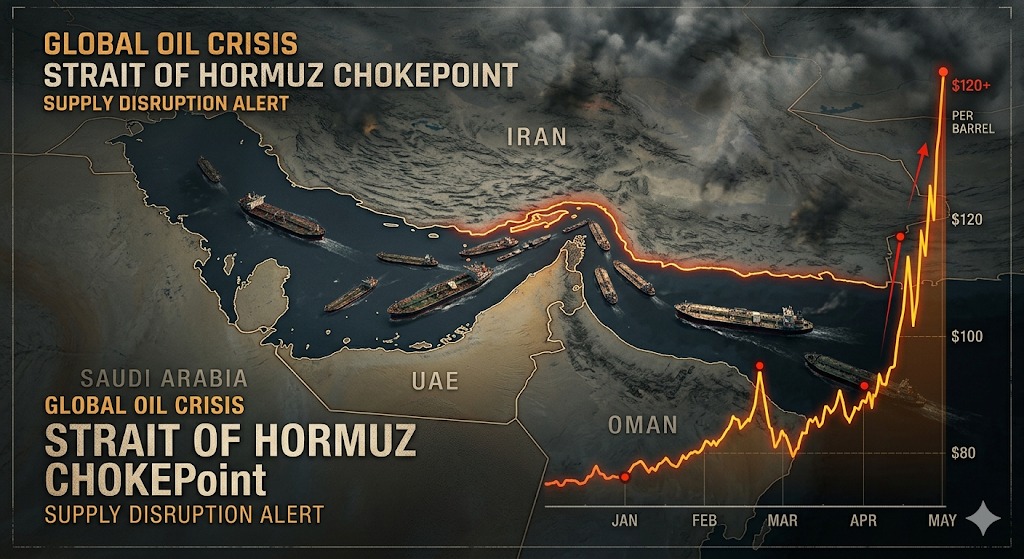
The biggest channel through which the war affects inflation is energy prices. Iran is located near the Strait of Hormuz, a critical route that carries a large share of the world’s oil supply. Disruptions in this region have already pushed oil prices sharply higher.
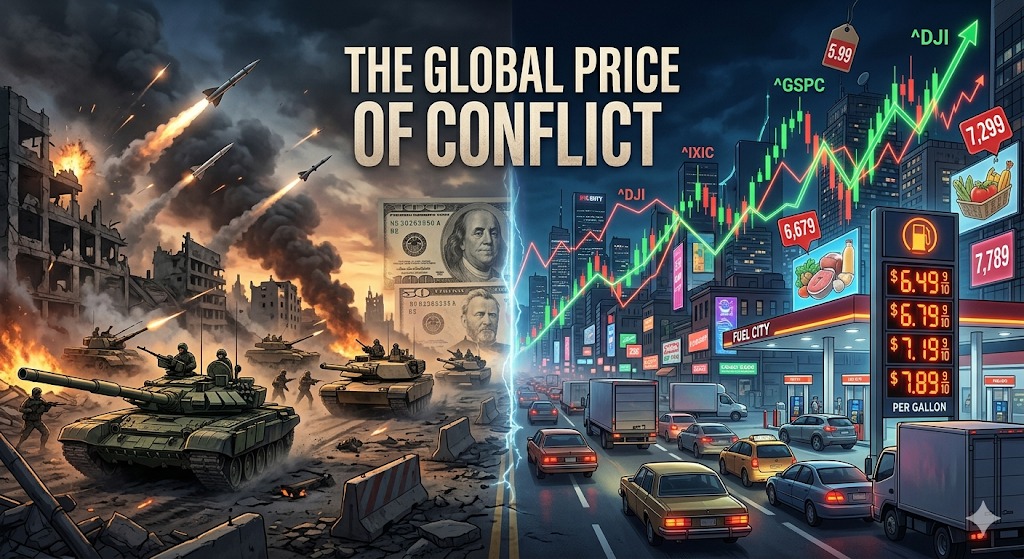
Recent reports show oil prices crossing $100 per barrel, leading to a surge in gasoline prices in the US.
When oil becomes expensive:
- Transportation costs rise
- Manufacturing becomes costlier
- Electricity and heating expenses increase
These higher costs are passed on to consumers, causing overall inflation.
2. Rising Gas Prices and Consumer Costs
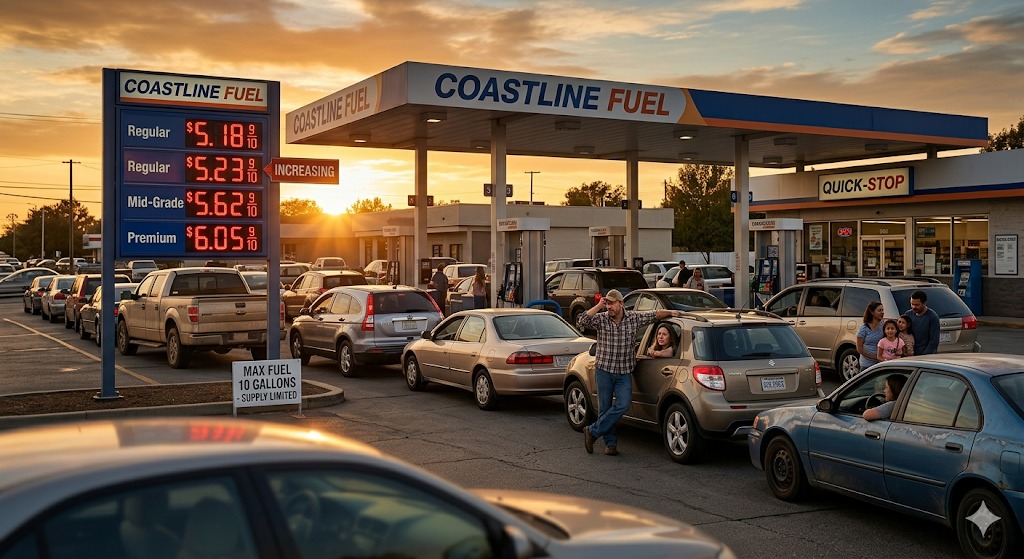
As fuel prices rise, American households feel the impact immediately. Gasoline prices have increased significantly in a short period, adding pressure on daily budgets.
Higher fuel costs also increase:
- Food prices (due to transportation)
- Delivery and logistics costs
- Air travel and commuting expenses
This creates a ripple effect across the economy, raising the general price level.
3. Supply Chain Disruptions
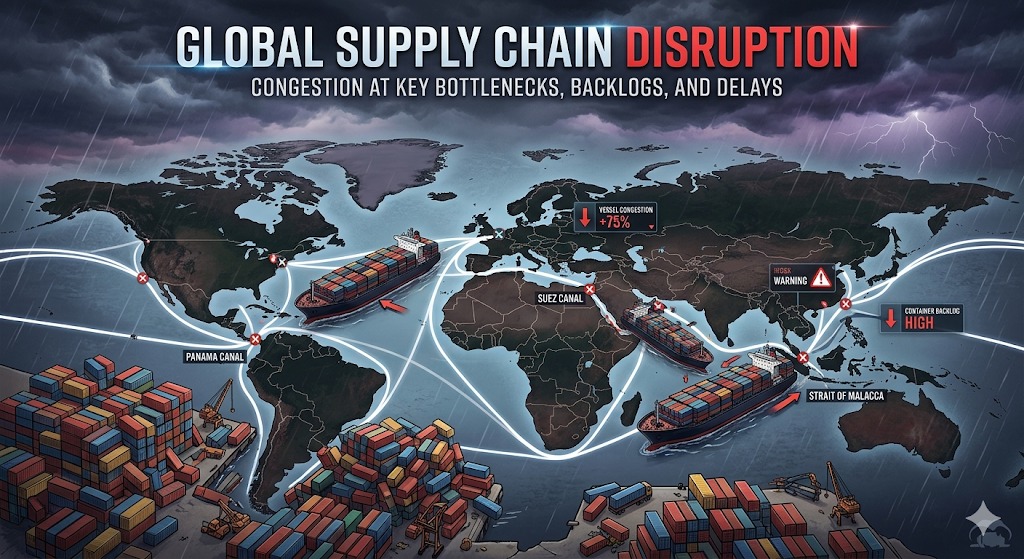
The war has disrupted global supply chains, especially in energy and industrial goods. Attacks on infrastructure and restricted shipping routes have slowed the movement of goods.
Additionally, exports of key materials like fertilizers and chemicals from the Middle East have been affected, increasing production costs worldwide.
These disruptions lead to:
- Shortages of goods
- Increased production costs
- Higher prices for consumers

4. Higher Business Costs and Producer Inflation
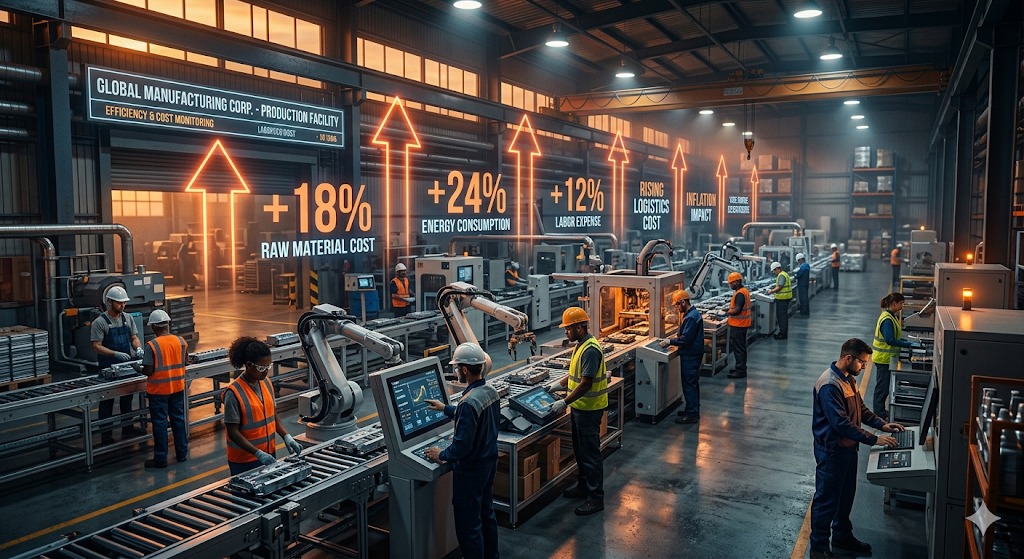
Businesses in the US are facing rising input costs due to expensive energy and raw materials.
Economists note that higher oil prices increase the cost of producing goods ranging from food to furniture.
As companies try to maintain profit margins, they pass these costs onto consumers, contributing to inflation.
5. Financial Market Reactions and Interest Rates
The war has also affected financial markets. Rising inflation expectations have pushed up US Treasury yields and borrowing costs.
For example:
- Mortgage rates have risen to multi-month highs
- Loan costs for businesses and consumers have increased
Higher interest rates make borrowing more expensive, but they also reflect expectations of persistent inflation.

6. Uncertainty and Inflation Expectations
Economic uncertainty plays a major role in inflation. When businesses and consumers expect prices to rise:
- Companies increase prices preemptively
- Workers demand higher wages
- Investors shift toward safer assets
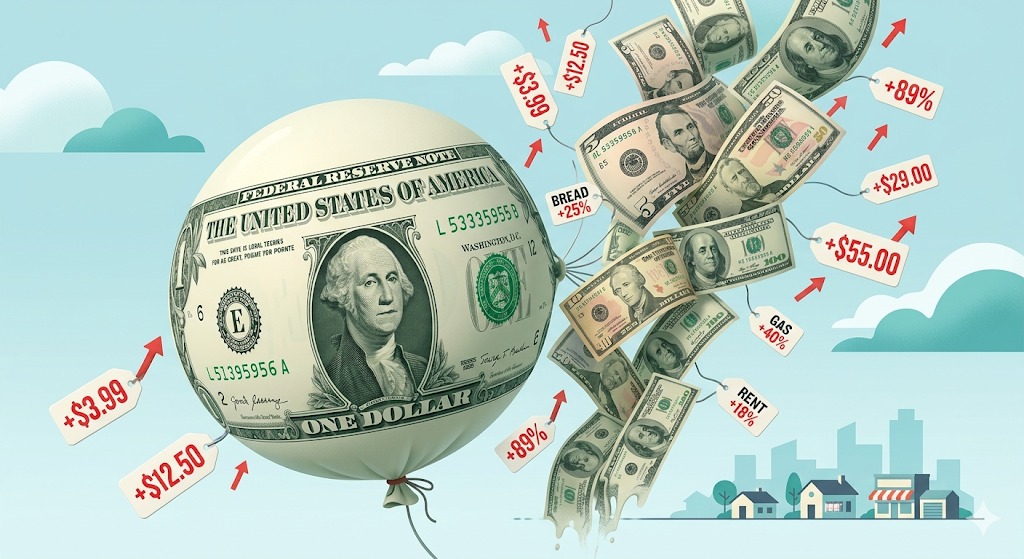
Experts warn that if oil prices remain elevated for a long time, inflation could rise significantly and become more persistent.
7. Short-Term vs Long-Term Impact
The extent of inflation depends on how long the conflict lasts:
- Short-term conflict: Temporary price increases
- Prolonged war: Sustained inflation and slower economic growth
If disruptions continue, inflation could remain above the Federal Reserve’s target and complicate economic policy.
Conclusion
The US–Iran war is increasing inflation in the US market primarily through rising oil prices, supply chain disruptions, and higher production costs. While the US economy is somewhat protected due to its domestic energy production, prolonged conflict could still lead to sustained inflation and slower growth.
In simple terms, the war makes energy more expensive—and since energy is a fundamental input for almost everything, it pushes up prices across the entire economy.