






The “MAHA” Movement: Reshaping Federal Health Policy in the United States

The “Make America Healthy Again” (MAHA) movement, once a powerful campaign slogan, has transitioned into a tangible force, driving significant shifts in federal health policy across the United States in early 2026. This initiative is fundamentally reshaping how the government approaches public health, from dietary guidelines to pharmaceutical access and agency leadership. The core tenets of MAHA emphasize individual responsibility, market-driven solutions, and a re-evaluation of established health institutions.
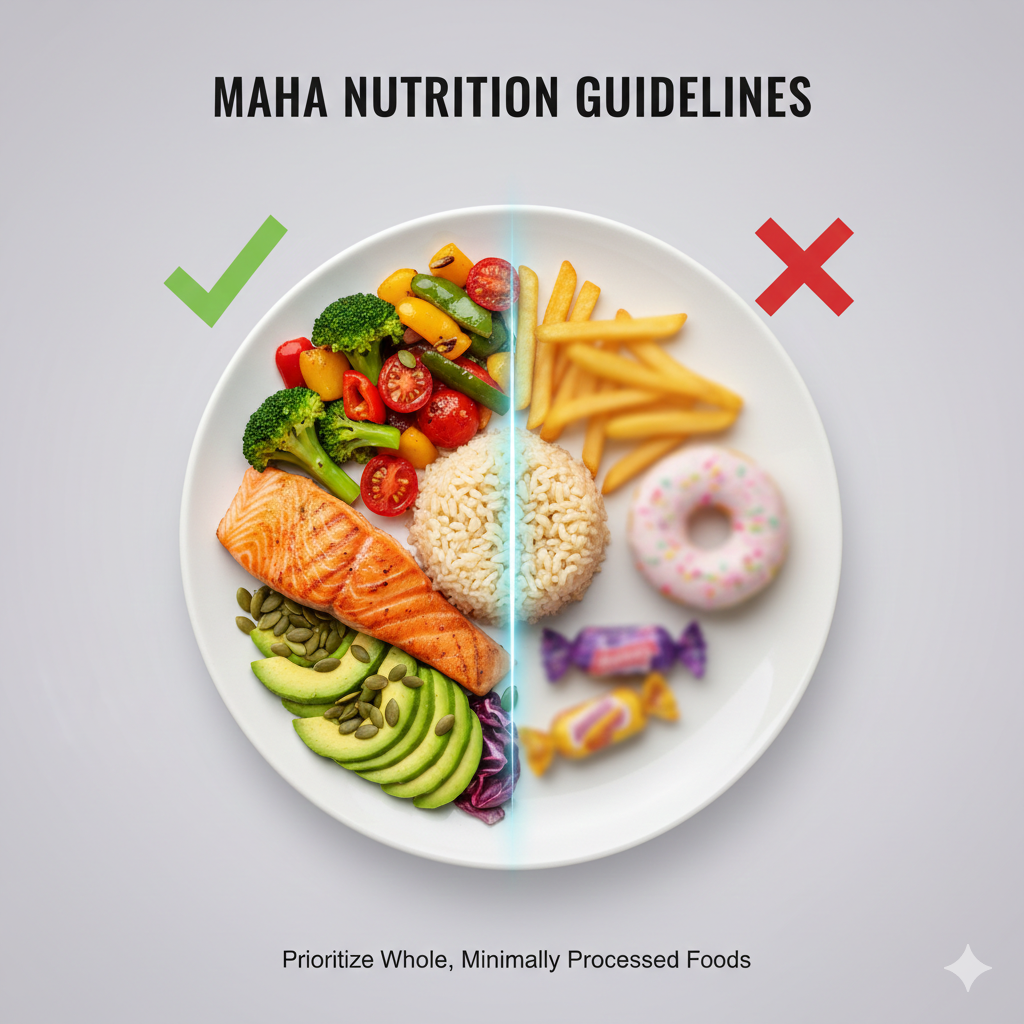
One of the most immediate impacts of the MAHA movement is a heightened focus on nutrition and food policy. Federal agencies are currently engaged in a comprehensive review of existing dietary guidelines, with a strong emphasis on the detrimental effects of ultra-processed foods and their link to chronic inflammation. The goal is to incentivize the consumption of minimally processed foods through public awareness campaigns and potentially new regulatory frameworks. This shift is designed to empower consumers to make healthier choices and address the root causes of many preventable diseases.

A cornerstone of the MAHA agenda in healthcare affordability is the recent launch of the TrumpRx platform. This innovative initiative aims to disrupt traditional pharmaceutical supply chains by connecting patients directly with drug manufacturers for discounted prices, bypassing the markups typically imposed by pharmacies and intermediaries. The platform is designed to increase drug accessibility and significantly reduce out-of-pocket costs for millions of Americans, particularly for essential medications. This move is a direct challenge to the established pharmaceutical industry and is expected to drive significant changes in drug pricing models.

Leadership within key health agencies is also undergoing substantial transformation under the MAHA movement. Dr. Jay Bhattacharya is currently serving as the acting director of the CDC (Centers for Disease Control and Prevention), spearheading a significant restructuring effort. This includes a major overhaul of the agency’s data-sharing protocols, aiming for greater transparency and efficiency in how public health information is collected, analyzed, and disseminated. These changes are intended to streamline the CDC’s operations and ensure that federal health recommendations are both timely and evidence-based.

In essence, the MAHA movement is ushering in a new era of federal health policy, characterized by a commitment to individual empowerment, market-based solutions for affordability, and a critical re-examination of institutional practices. These shifts are expected to have a lasting impact on the U.S. healthcare system, influencing everything from what Americans eat to how they access life-saving medications.