



Artificial Intelligence: Blessing or Disaster?
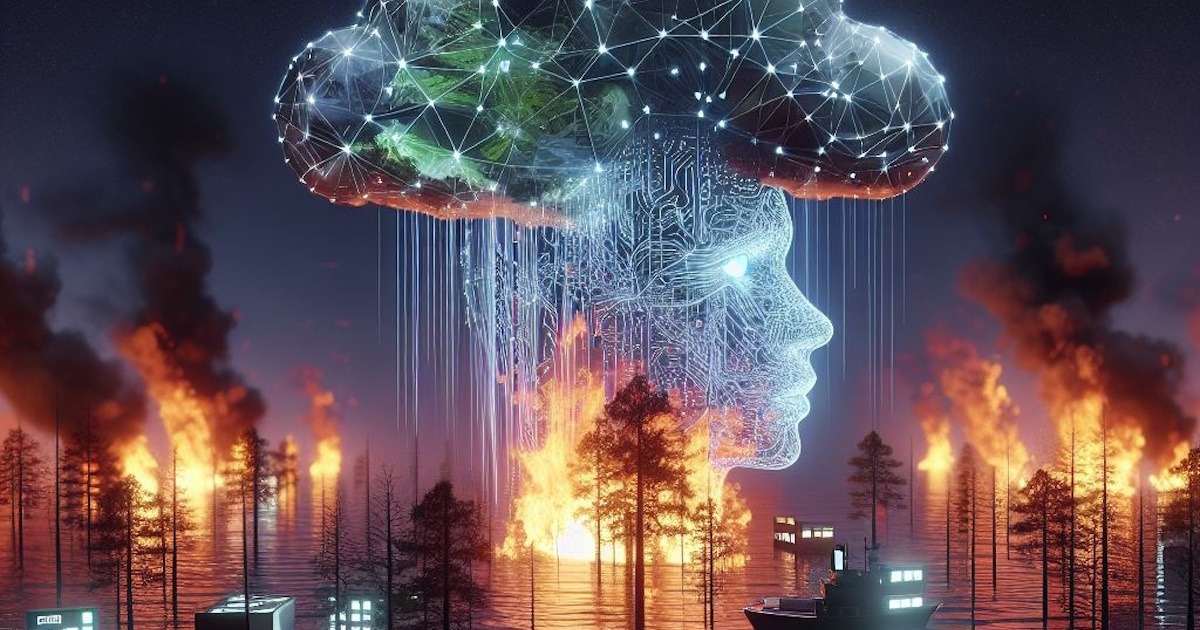
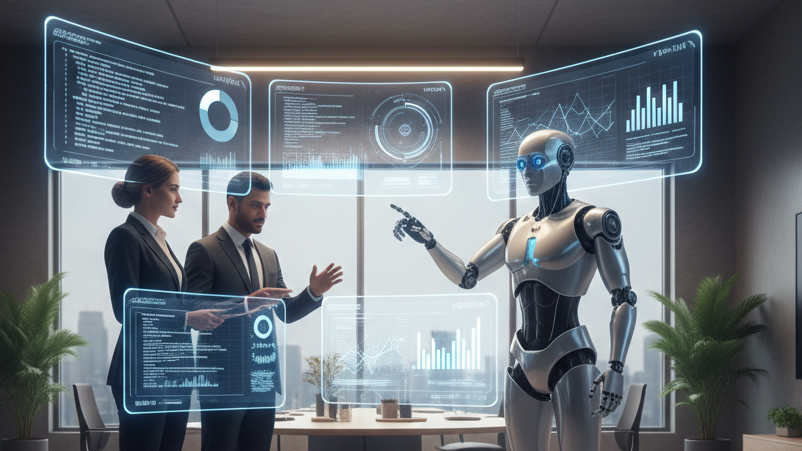
In the 21st century, Artificial Intelligence (AI) has become one of the most transformative technologies shaping our world. From voice assistants and recommendation systems to self-driving cars and advanced medical diagnostics, AI is rapidly influencing how we live and work. But the big question remains: Is Artificial Intelligence a blessing or a disaster? The answer lies somewhere in between, depending on how we develop and use this powerful technology.
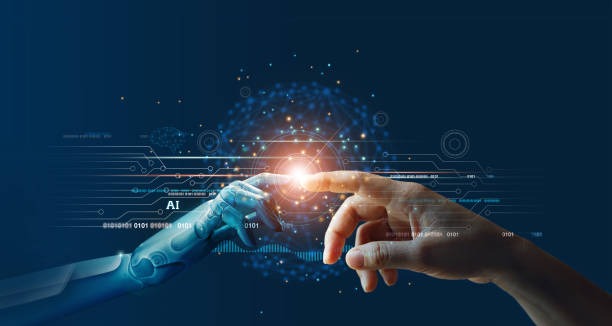
The Rise of Artificial Intelligence
The growth of Artificial Intelligence technology has been extraordinary. Companies like OpenAI, Google, and Microsoft are investing billions into AI research and development. AI-powered systems now assist in customer service, automate repetitive tasks, and even create art and music. The rapid development of machine learning algorithms and deep learning models has made AI smarter and more efficient than ever before.
This technological revolution has boosted productivity across industries. In healthcare, AI helps doctors detect diseases earlier and more accurately. In education, AI-powered tools personalize learning experiences. In business, AI-driven analytics improve decision-making processes. Clearly, benefits of Artificial Intelligence are visible in multiple sectors.
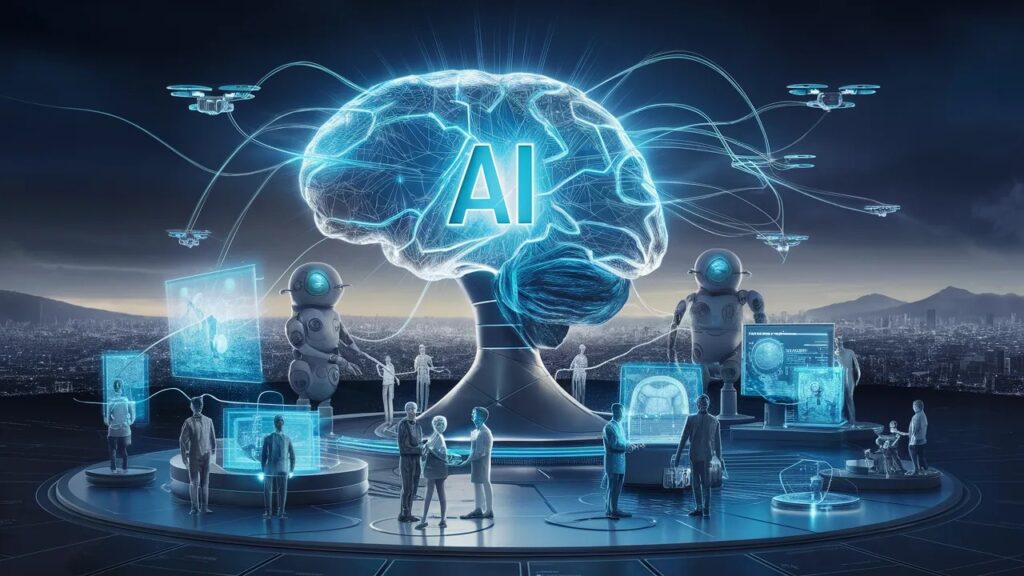
Artificial Intelligence as a Blessing
One of the strongest arguments supporting Artificial Intelligence is its ability to solve complex problems. AI can analyze vast amounts of data within seconds—something impossible for humans alone. In fields such as climate science, AI models help predict environmental changes and suggest solutions.
Moreover, AI enhances everyday convenience. Virtual assistants, smart home devices, and recommendation systems make life easier and more efficient. The rise of AI automation has also reduced human error in manufacturing and logistics, increasing safety and accuracy.
Another key advantage is innovation. AI encourages new business models and creates opportunities in emerging fields like robotics, cybersecurity, and data science. The positive impact of Artificial Intelligence in healthcare and finance demonstrates how AI can improve quality of life globally.
Artificial Intelligence as a Potential Disaster
Despite its many benefits, Artificial Intelligence also presents serious risks. One major concern is job displacement. As AI automation technology advances, machines may replace workers in manufacturing, retail, and even professional services. This could increase unemployment and widen economic inequality.
Privacy is another critical issue. AI systems rely on massive amounts of data, often collected from users without full awareness. Misuse of personal information and surveillance powered by AI data analytics can threaten individual freedoms.
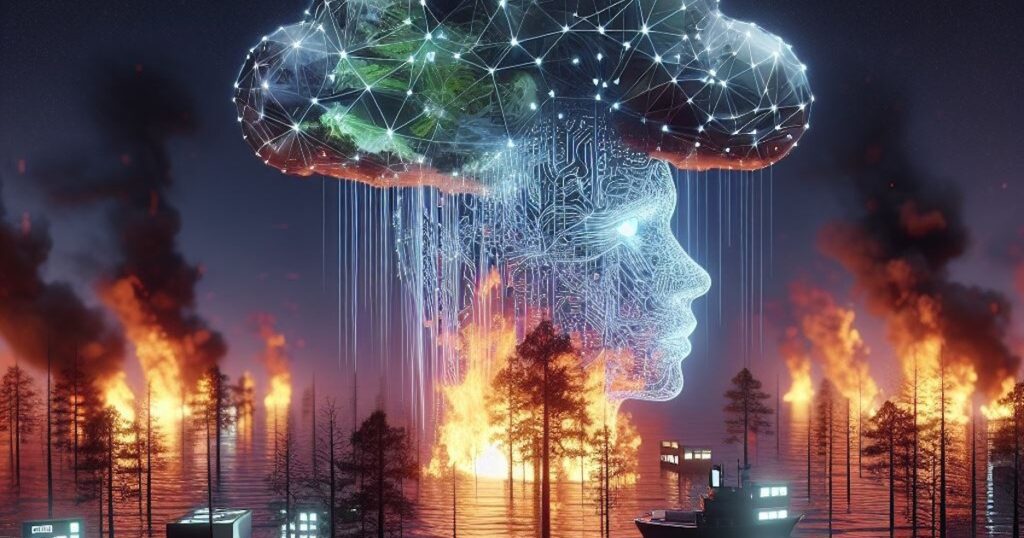
There is also the fear of autonomous weapons and malicious AI applications. Influential figures like Elon Musk and Stephen Hawking have warned about the potential dangers of uncontrolled AI development. If AI systems become too powerful without proper regulations, the consequences could be catastrophic.
The Ethical Dilemma of Artificial Intelligence
The debate around AI ethics and safety is growing. Questions about bias in algorithms, transparency in decision-making, and accountability remain unresolved. For example, if an AI system makes a harmful decision, who is responsible—the developer, the company, or the machine itself?
Governments and organizations worldwide are now working on policies to regulate AI development. Ethical frameworks and responsible AI practices are essential to ensure that Artificial Intelligence innovation benefits humanity rather than harms it.
Conclusion: A Tool That Reflects Humanity
So, is Artificial Intelligence a blessing or a disaster? The truth is that AI itself is neither inherently good nor evil. It is a tool—one that reflects the intentions of its creators and users. When guided by ethical principles, transparency, and strong regulation, Artificial Intelligence advancements can drive progress, improve living standards, and solve global challenges.
However, without responsible development and oversight, AI could lead to economic disruption, loss of privacy, and security threats. The future of Artificial Intelligence development depends on the choices we make today.
Ultimately, Artificial Intelligence is more likely to be a blessing—if humanity chooses wisdom over recklessness in shaping its path forward.